Sober Living vs Halfway House: What's the Difference?
When you're steering through recovery options, understanding the differences between sober living homes and halfway houses is essential. Sober living homes offer a nurturing space with peer support and fewer restrictions, ideal for personal growth after treatment. In contrast, halfway houses provide a structured environment with supervision, aiding societal reintegration. Both emphasize accountability and recovery participation, but which aligns best with your needs? Exploring these nuances can guide your path to independence.
Deciding Between Sober Living and Halfway Houses
When faced with the choice between sober living and halfway houses, how do you decide what's best for your recovery journey? Both options provide interim housing, but the right fit depends on your needs.
Sober living homes emphasize personal growth and self-directed recovery. They offer a supportive environment where community support and peer interactions are key. You’ll find more autonomy here, fostering a sense of independence while surrounded by others committed to sobriety.
Halfway houses, on the other hand, often integrate structured addiction treatment with a focus on reintegration into society. They may be more suitable if you’re seeking a program with set rules and expectations.
Find sober living near you. Our directory includes over 25,000 recovery housing facilities nationwide. Call (866) 453-5762 or browse the directory.
Evaluate your recovery options by considering the level of support and structure you need to succeed.
What Are Sober Living Homes?
Although the journey to recovery can be challenging, sober living homes provide an essential stepping stone for those seeking a supportive environment.
These homes offer a structured, substance-free setting where you can focus on rebuilding your life. With a strong emphasis on sober living benefits, such as increased accountability and peer support, you’ll find the tools necessary for lasting recovery.
These residences typically require adherence to house rules, participation in meetings, and sometimes involvement in therapy, which fosters a sense of community and accountability.
Recovery support is a cornerstone, as living alongside others who share similar goals creates a network of encouragement.
This shared experience reduces isolation and reinforces healthy habits, ultimately boosting your confidence and resilience on the path to sobriety.
What Defines a Halfway House?
A halfway house serves as a significant turning point for many individuals reintegrating into society after incarceration, substance abuse treatment, or other substantial life changes. It’s a structured environment where you can focus on your rehabilitation goals while receiving essential community support. The blend of accountability and freedom helps you navigate smoothly.
| Aspect | Description | Benefit |
|---|---|---|
| Structure | Scheduled routines and responsibilities | Promotes discipline and stability |
| Community Support | Peer interactions and professional guidance | Enhances emotional well-being |
| Rehabilitation Goals | Personalized plans and resources | Facilitates personal growth |
| Environment | Safe and sober living conditions | Reduces relapse risk |
In a halfway house, you’ll find a supportive network aiming to instill confidence and independence, important for long-term success.
Comparing Structures and Benefits
Exploring the structures and benefits of sober living homes versus halfway houses reveals distinct avenues to recovery and reintegration.
Sober living homes offer a flexible environment emphasizing personal accountability, where you’re encouraged to make lifestyle adjustments in a supportive community. These homes provide recovery support without strict oversight, promoting gradual community integration.
A flexible, supportive environment encouraging personal accountability and gradual community integration without strict oversight.
In contrast, the halfway house structure is more regimented, serving as transitional housing with set rules and curfews, often mandated by legal or rehabilitation requirements. This structure focuses on addiction recovery with structured guidance, helping you navigate responsibilities and commitments.
Both options foster recovery support, yet the choice depends on your needs for structure versus autonomy. Each avenue offers unique sober living benefits tailored to your recovery journey.
Who Should Choose Sober Living Homes?
If you're seeking a supportive community environment after treatment, a sober living home might be the right choice.
It offers a gradual adjustment process, helping you adapt to daily life with the benefit of structure and accountability.
This setting can be especially beneficial if you thrive with peer support and need a safe space to rebuild routines.
Supportive Community Environment
When considering the shift from rehab to everyday life, you might find that a sober living home offers the supportive community environment vital for maintaining sobriety.
In these homes, you're surrounded by individuals who understand your journey and provide community support. This environment fosters accountability and empathy, essential components for lasting recovery.
Engaging in shared activities like group meetings, outings, or wellness workshops strengthens these bonds, creating a network that uplifts and encourages you.
Expert insights show that being in a setting where everyone shares a commitment to sobriety reduces the risk of relapse.
You're not alone in your struggles, and the collective strength of the community empowers you to face challenges with confidence and resilience.
Gradual Transition Process
Shifting from a supportive community environment to a more independent lifestyle can be challenging. If you’re steering through your recovery journey, sober living homes offer a gradual shift process that fosters personal growth and emotional resilience.
They’re ideal for you if you're seeking:
- Support Networks: Engage with peers who provide understanding and encouragement, enhancing your coping strategies.
- Life Skills Development: Acquire essential skills needed for independent living, from budgeting to healthy routines.
- Peer Support: Benefit from a community that promotes accountability and shared experiences, crucial for sustained recovery.
Transitional housing like sober living homes bridges the gap between structured treatment and complete independence.
They’re perfect for those who need a nurturing environment to cultivate stability and confidence. Your journey to sobriety doesn’t have to be solitary.
Accountability and Structure
While traversing the path to sobriety, you might find that a structured environment enhances accountability and supports your recovery goals.
Sober living homes offer an ideal setting for this, with structured routines and accountability measures that foster personal growth. You'll benefit from peer support, where shared experiences reinforce your commitment.
Daily responsibilities and progress tracking guarantee you remain focused and aware of your journey. Community involvement adds a layer of connection, empowering you to engage and contribute positively.
Mentorship opportunities provide guidance and encouragement, helping you navigate challenges with confidence.
Choosing a sober living home means embracing a framework designed to bolster your resilience and determination. This environment is tailored for those seeking a disciplined, supportive backdrop for lasting recovery.
Who Benefits From Halfway Houses?
How exactly do halfway houses benefit individuals seeking recovery? They offer a structured environment essential for addiction recovery, providing a safe space to move from treatment to independent living.
You’ll find community support and peer relationships that enhance mental health and foster a sense of belonging.
Here’s how they help:
- Transitional Living: Bridges the gap between rehab and full independence, easing recovery journeys.
- Life Skills and Independence Development: Helps you learn fundamental skills, boosting confidence in managing daily life.
- Support Networks: Offers a community where you can connect with others who understand your challenges, creating lasting relationships.
Halfway houses are significant for those aiming to rebuild their lives, offering a nurturing environment to cultivate resilience and personal growth.
Rules and Expectations in Sober Living Homes
In sober living homes, adherence to rules and expectations is fundamental for maintaining a supportive and stable environment essential for recovery.
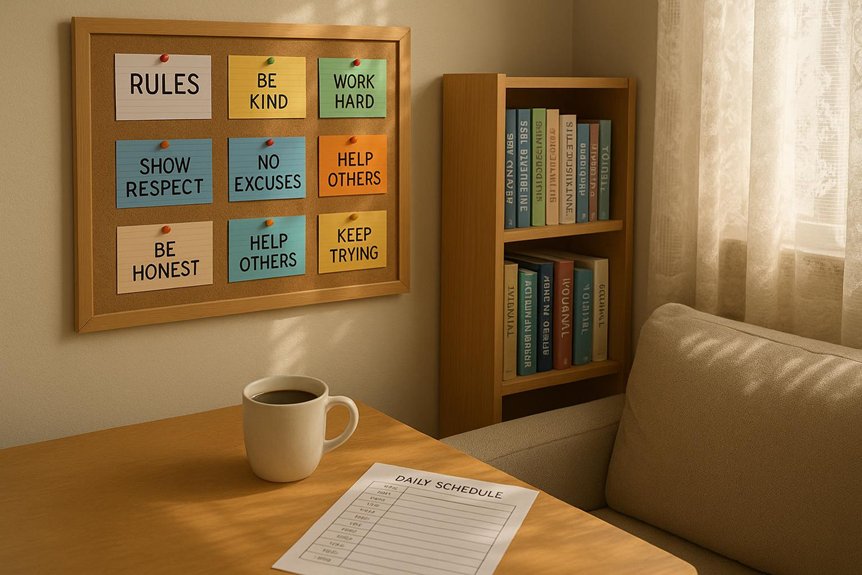
You'll find that house rules are designed to foster personal responsibility and promote healthy daily routines. Resident expectations include active community involvement and participating in house meetings, which strengthens support systems.
House rules cultivate responsibility and routine, while active involvement and meetings enhance community support.
The program structure often encourages peer mentorship, providing valuable guidance and accountability.
Conflict resolution is handled with care, ensuring a respectful and harmonious living space. You're expected to engage in a collaborative atmosphere where everyone contributes to the collective well-being.
This structured environment isn’t just about following rules—it's about building a foundation for lasting recovery. By embracing these principles, you’ll find a pathway to healing and growth.
Regulations in Halfway Houses
When considering halfway houses, you'll find that regulations are designed to support your recovery and reintegration.
Admission criteria often guarantee that residents are committed to change, while curfews and supervision provide a structured, safe environment.
Participation in programs is essential, as it empowers you with skills and resources to foster long-term sobriety.
Resident Admission Criteria
Maneuvering the admission criteria for halfway houses can feel overwhelming, yet understanding these requirements is essential for a successful shift. The admission process is designed to guarantee that residents are in the right environment for recovery and reintegration.
You'll need to meet specific resident eligibility criteria, which typically include:
- Sobriety Commitment: Demonstrating a commitment to sobriety is imperative. This often involves proof of completed rehabilitation or detox programs.
- Legal Compliance: You must be willing to comply with any legal obligations, such as probation or parole conditions.
- Behavioral Standards: Meeting behavioral expectations, including a willingness to engage in therapeutic activities and respect house rules, is important.
Each criterion guarantees that you, along with other residents, are supported in a structured and stable setting.
Curfew and Supervision Rules
Guiding through the requirements for halfway house admission sets the stage for understanding their structured environment.
In these facilities, curfew enforcement is essential to maintaining order and ensuring residents stay on track with their recovery. You'll find that curfews are strictly adhered to, often requiring residents to return by a specific time each night. This structure helps instill responsibility and accountability.
Supervision levels vary depending on the individual's progress and the specific program. Some residents may need intensive supervision, while others might shift to less oversight as they demonstrate stability and commitment.
This personalized approach fosters a supportive atmosphere, allowing you to grow at your own pace. Understanding these rules helps you navigate the halfway house experience effectively, promoting successful reintegration.
Program Participation Requirements
Entering a halfway house means you'll engage in structured program participation vital for recovery. These environments are designed to support your change, focusing on accountability and growth.
Understanding program expectations is essential. You'll be required to follow specific participation criteria, which typically include:
- Attendance: Regular attendance at scheduled meetings and therapy sessions is mandatory. This guarantees you're engaging with the community and receiving necessary support.
- Compliance: Adhering to house rules, such as curfews and substance testing, is non-negotiable. This helps maintain a safe and supportive environment for everyone involved.
- Involvement: Active involvement in counseling and skill-building workshops is expected. These activities are designed to equip you with tools for successful reintegration.
Embrace these opportunities to foster your recovery journey.
Choosing the Best Recovery Environment
When choosing the best recovery environment, it’s crucial to evaluate your unique needs and circumstances.
Begin by reviewing your recovery strategies and identifying the support systems you rely on most. Sober living homes may offer a structured environment with more freedom, allowing you to strengthen personal responsibility while still accessing peer support.
On the other hand, halfway houses might provide a more regulated atmosphere, ideal if you need closer supervision and a structured routine.
Consider what level of independence or guidance you’re comfortable with. Reflect on your triggers, progress in recovery, and the kind of community that empowers you.
Engaging with a counselor can provide valuable insights into which environment aligns best with your journey.
What Costs to Expect?
Understanding the financial aspects of your recovery environment is key to making an informed decision. Costs can vary greatly between sober living homes and halfway houses, so knowing what to expect helps you plan effectively. Here’s a breakdown:
1. Cost Variations: Sober living homes typically charge monthly rent, ranging from $450 to $3,000, depending on location and amenities.
Halfway houses might be less expensive but often have limited offerings.
2. Financial Assistance: Investigate options like scholarships, sliding scale fees, or government programs that might help ease the burden.
3. Additional Expenses: Consider costs for groceries, transportation, and personal needs, which can add up quickly.
Frequently Asked Questions
How Long Can Someone Stay in a Sober Living Home?
You can stay in a sober living home as long as you need, since there's generally no strict duration limits.
Residency requirements often focus on maintaining sobriety, attending meetings, and contributing to the community. Your stay depends on your personal recovery journey and readiness to shift back into independent living.
It's vital to engage with support networks and adhere to guidelines, ensuring a supportive environment for your growth and healing.
Do Halfway Houses Provide Medical Treatment?
Halfway houses typically don't provide direct medical treatment, but they often offer medical support through partnerships.
You'll find treatment options focused on counseling and rehabilitation.
It’s essential to connect with case managers who can guide you to appropriate medical resources if needed.
These facilities aim to support your progression with empathy, ensuring you have access to necessary health services while fostering a supportive recovery environment.
Are Pets Allowed in Sober Living Homes?
In sober living homes, pet policies vary. Some allow pets, recognizing their role in emotional support and recovery.
You should check specific guidelines, as homes often balance companionship benefits with community considerations.
If pets are allowed, expect requirements like vaccinations and behavior assessments.
Can Family Members Visit Halfway Houses?
Yes, family members can visit halfway houses, but visitation rules vary by facility.
You’ll find that family involvement is encouraged as it supports recovery. Check the specific house’s guidelines for visiting hours and procedures.
Engaging with loved ones can strengthen support networks, aiding in rehabilitation. Always communicate with staff to guarantee compliance with their protocols, fostering a positive and supportive environment for everyone involved.
What Are the Privacy Policies in Sober Living Homes?
In sober living homes, you can expect clear privacy policies that respect resident rights.
You’ll find that privacy expectations are set to create a supportive environment while ensuring everyone’s safety.
Staff members maintain confidentiality regarding your personal information and recovery journey.
Open communication about these policies helps build trust and fosters a sense of security, allowing you to focus on your recovery with peace of mind and dignity.
Need help finding sober living? Call (866) 453-5762 for help finding recovery housing near you. Confidential and available 24/7.