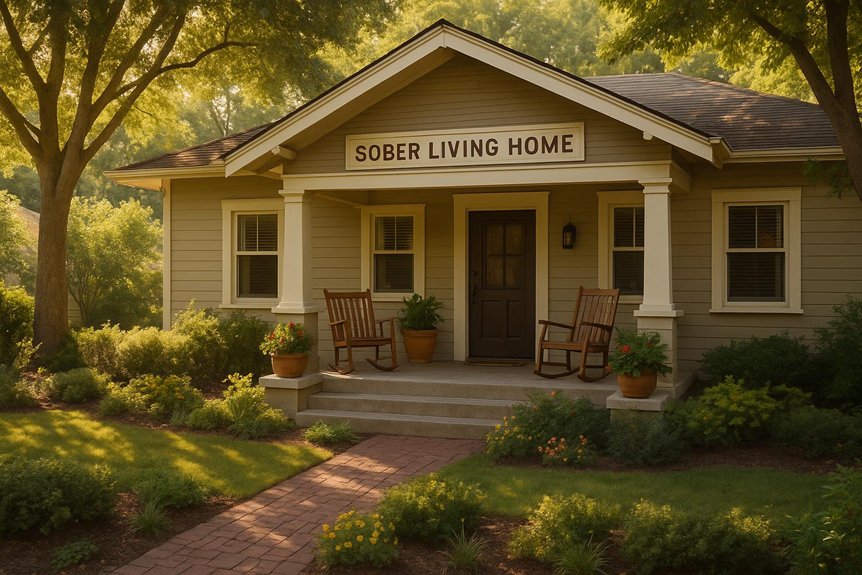
How to Choose a Sober Living Home
Choosing a sober living home is a significant step in your recovery journey, and it’s vital to approach it with care and thoughtfulness. You'll want to balance safety, structure, and community, ensuring the environment supports your unique needs. Consider the house rules, staff qualifications, and location's impact on your progress. Budgeting is important, too, as hidden costs can surprise you. How do you find the right fit that nurtures your path forward? Let's explore further.
Key Criteria for Choosing a Sober Living Home
When you're choosing a sober living home, it's essential to take into account several key criteria to guarantee it supports your recovery journey effectively.
First, confirm the home meets safety standards and has clear house rules to maintain a positive recovery culture. Staff qualifications are significant; knowledgeable and compassionate staff can make a difference.
Observe resident interactions to see if the environment feels supportive and inclusive. A solid program structure with feedback mechanisms allows for personal growth and improvement.
Find sober living near you. Our directory includes over 25,000 recovery housing facilities nationwide. Call (866) 453-5762 or browse the directory.
Check for support during the change, helping you move smoothly back into everyday life. Family involvement can provide additional encouragement, so look for homes that value this aspect.
Finally, assess community resources, making sure they’re accessible to enrich your journey. You've got this, and support is here for you.
What Sober Living Homes Provide
Sober living homes provide a nurturing environment vital for your recovery journey. They offer a structured setting where you can focus on rebuilding your life.
You'll find sober living amenities like comfortable living spaces, shared kitchens, and laundry facilities, all designed to help ease your change.
Beyond the physical comforts, these homes foster a sense of belonging through community activities. Engaging in group outings, support meetings, and shared meals encourages connection and accountability.
You’re surrounded by others who understand your challenges and who are committed to sobriety, too.
This supportive network plays an essential role in maintaining your sobriety, offering both guidance and friendship.
Embrace the opportunity to grow and heal in an environment dedicated to your well-being.
Location's Role in Recovery Success
Finding the right location for a sober living home can greatly impact your recovery journey. Environmental factors and neighborhood safety are vital. You'll want a space where you feel secure and supported.
Look for community resources and local recovery meetings nearby, as they provide essential support. Accessibility issues and transportation options matter too, ensuring you can easily reach support services and cultural influences that match your lifestyle compatibility.
Consider proximity to recreational activities that promote a healthy, balanced routine. The right environment nurtures your growth, helping you build a new life.
Budgeting for Sober Living Costs
When you're budgeting for a sober living home, it's important to compare monthly expenses across different options to find what fits your financial situation.
Don’t forget to evaluate hidden costs like transportation and groceries, which can add up quickly.
Comparing Monthly Expenses
Steering through the financial aspects of a sober living home can feel overwhelming, but understanding how to compare monthly expenses makes it manageable.
Start by gathering cost comparisons from various homes. Look at what's included—utilities, meals, or transportation. This helps you see the full picture and avoid surprises.
If finances are tight, explore options for financial assistance. Some homes offer sliding scale fees or accept scholarships.
Reach out to local support groups or community organizations for guidance on available aid. Remember, choosing a place that fits your budget is essential for sustainable recovery.
Evaluating Hidden Costs
While comparing monthly expenses helps you plan, it's important to take into account hidden costs when budgeting for a sober living home. You might encounter hidden fees for things like utilities, house maintenance, or even extra support services. These can add up quickly, so make sure you ask about all potential charges up front.
Unexpected expenses could include transportation, food, or special activities not covered in the initial agreement. It's wise to set aside a little extra in your budget to handle these surprises without stress.
By being proactive and asking detailed questions, you can avoid financial strain. Remember, ensuring you're financially prepared allows you to focus more on your recovery journey rather than worrying about unexpected bills.
You're not alone—many have navigated this path successfully.
Finding the Right Balance Between Rules and Freedom
Family involvement and emotional support play vital roles, but ultimately, accountability measures guarantee you stay on track.
A well-chosen home offers the structure needed for lifestyle adjustments without stifling your autonomy.
It’s about finding a place where rules guide rather than restrict, allowing for meaningful growth.
Evaluate Support Systems for Recovery
When you're choosing a sober living home, consider how much peer support is available, as connecting with others who understand your journey can make a big difference.
Access to counseling is also vital; it provides professional guidance to help you navigate challenges.
You deserve a place where support systems are robust and ready to assist you every step of the way.
Peer Support Availability
How essential is peer support in your recovery journey? It’s incredibly important. Being surrounded by people who understand your struggles can be transformative. Support group dynamics foster a sense of belonging and shared purpose. You’re not alone, and that’s vital. Look for sober living homes that emphasize community engagement strategies. These strategies help you connect, share experiences, and grow together.
Consider the following:
| Aspect | Benefit |
|---|---|
| Support Group Dynamics | Builds trust and accountability |
| Community Engagement | Encourages active participation |
| Peer Connection | Offers empathy and understanding |
Peer support isn’t just about sharing stories; it’s about creating a network that uplifts you. Choose a home where these elements thrive, ensuring you feel supported every step of the way.
Access to Counseling
While peer support forms the backbone of your recovery network, access to counseling adds another layer of essential support.
It’s vital to find a sober living home that offers both individual therapy and group sessions. These services provide tailored guidance and a safe space to explore your feelings and challenges.
Individual therapy helps you work through personal issues, while group sessions connect you with others who share similar experiences. Both are invaluable as you navigate recovery.
When evaluating options, ask about the availability and frequency of these services. You deserve a supportive environment that prioritizes your well-being and growth.
Choosing Between Strict and Relaxed Environments
Why does the choice between a strict or relaxed sober living environment matter so much? It’s vital because it impacts your recovery journey. Consider your personal preferences and recovery goals. A setting with strict rules might provide the accountability measures you need, while a relaxed atmosphere could cater to individual needs during changing phases. Evaluate community dynamics to guarantee they align with your path.
| Environment Type | Characteristics |
|---|---|
| Strict | High accountability measures, structured schedule |
| Relaxed | Flexibility, personal autonomy |
| Transitional | Blend of structure and freedom |
| Community-focused | Emphasis on peer support and shared recovery goals |
Your choice should reflect where you are in your recovery and what kind of support will help you thrive. Remember, it’s about finding what feels right for you.
Aftercare Programs for Long-Term Sobriety
Finding the right aftercare program is essential for maintaining long-term sobriety.
You’ll benefit from structured support that fosters community and peer connections, helping you feel understood and less alone.
With a personalized recovery plan, you can address your unique needs and stay on track with your goals.
Importance of Structured Support
Understanding the importance of structured support, especially through aftercare programs, can make a significant difference in achieving long-term sobriety.
Establishing structured routines helps you maintain focus and stability, crucial components in your recovery journey. When you engage in aftercare programs, you’re not just following a schedule; you’re embracing a lifestyle that reinforces recovery accountability.
This means you’re consistently reminded of your goals and encouraged to stay on track. These programs provide a framework that offers guidance and minimizes the risk of relapse.
By choosing a sober living home with strong aftercare support, you’re investing in a future where you feel empowered and secure.
Community and Peer Connections
When you surround yourself with a supportive community, your recovery journey becomes more manageable and meaningful. Building supportive relationships is essential in a sober living home. You’ll find others who understand your experiences, offering empathy and encouragement.
This shared understanding fosters a strong network where you can lean on others during challenging times.
Community engagement is another key element. Participating in group activities and meetings helps you stay connected and focused on your goals.
It’s about creating bonds that reinforce your commitment to sobriety. You’re not just living in a space; you’re becoming part of a community that uplifts each other.
Personalized Recovery Plans
Although everyone’s recovery journey is unique, having a personalized recovery plan can greatly enhance your long-term sobriety. Personalized assessments help identify your specific needs, making it easier to find tailored resources that suit you best. You’re not alone in this process; professionals are there to support your path towards a healthier life.
| Benefit | Description |
|---|---|
| Personalized Assessments | Identify your unique needs |
| Tailored Resources | Access specific tools and support |
| Professional Guidance | Receive expert advice and support |
| Long-term Sobriety | Build a sustainable recovery journey |
Verify Accreditation and Licensing
Before choosing a sober living home, it’s essential to verify the home’s accreditation and licensing to guarantee a safe and supportive environment.
Accreditation importance can’t be overstated—it confirms the facility meets established standards for quality care. Checking the licensing requirements means you’ll know the home complies with local and state regulations, providing legal and ethical assurance.
You’re not just looking for a place to stay; you’re seeking a supportive community that respects your journey. By confirming these credentials, you’re protecting your well-being and investing in your recovery path.
Reach out to the home’s staff and ask for documentation. They should be transparent and willing to share this information, reinforcing their commitment to your healing and growth.
Amenities That Enhance Comfort
Choosing a sober living home isn't just about verifying accreditation; it's also about finding a place where you feel at ease and supported.
Comfort essentials play a significant role in your recovery journey. Look for amenity features that enhance your daily life and foster healing.
Consider what's important for your personal comfort and growth:
- Private or shared rooms: Decide what suits your need for privacy or community.
- Recreational spaces: Access to areas for exercise or relaxation can boost well-being.
- Transportation services: Convenient access to appointments and activities eases stress.
- Wi-Fi and technology: Staying connected with loved ones supports emotional health.
These amenities provide the comfort and stability you need to focus on your path to recovery.
Ensuring a Secure Environment
A secure environment is one of the most vital aspects of a sober living home. You'll want to make certain the facility prioritizes safety protocols to support your recovery journey.
Look for homes that have clear guidelines, such as curfews, visitor policies, and emergency procedures. These measures create a stable, supportive setting where you can focus on healing.
It's also important to reflect on resident feedback. Talking to current or past residents can give you insights into the home's safety culture.
Positive feedback often indicates a well-maintained, secure environment. Trust your instincts and gather as much information as possible. Your peace of mind is essential, and a safe environment will help you concentrate on building a healthier, substance-free future.
Length of Stay Options
When you're choosing a sober living home, it's important to contemplate how long you might want to stay.
Many homes offer flexible stay durations, allowing you to tailor your time there to fit your personal recovery journey.
Customized length plans can provide the support you need, whether you’re looking for a short stay or a more extended commitment.
Flexible Stay Durations
While traversing the journey to recovery, you might appreciate the flexibility offered by sober living homes when it comes to length of stay.
These homes provide flexible stay options tailored to your unique duration preferences, which can greatly impact your healing process. It’s essential to find a setup that aligns with your personal needs.
Consider these aspects when evaluating your options:
- Personal Progress: Stay durations can adapt to your recovery milestones.
- Financial Considerations: Flexible terms might better suit your budget.
- Support Network: Extended stays can strengthen relationships within the home.
- Transition Readiness: Choose a length that prepares you for reintegration into daily life.
Customized Length Plans
Exploring flexible stay durations in sober living homes opens the door to personalized recovery paths. You’re not confined to a one-size-fits-all timeline. Instead, you can benefit from customized support that adapts to your unique needs.
Whether you need a brief stay to regain your footing or a longer period to reinforce new habits, there’s a tailored recovery plan for you.
These homes recognize that recovery isn’t linear. By offering varied length options, they allow you to progress at your own pace.
You’ll find that this adaptability encourages a more sustainable journey, helping you build a strong foundation. Remember, it’s about finding what works best for you.
With customized length plans, your recovery becomes a personal and empowering experience.
Co-Ed vs. Gender-Specific Homes: What’s Right for You?
Deciding between a co-ed or gender-specific sober living home can greatly impact your recovery journey. Co-ed dynamics might offer a diverse environment, but it’s vital to evaluate your comfort level and gender preferences. Consider what'll best support your healing process.
- Comfort Level: Reflect on where you’d feel most at ease. Comfort can be key to successful recovery.
- Support System: Think about the type of peer support you need. Gender-specific homes may offer more relatable experiences.
- Personal Growth: Co-ed homes can provide a broader perspective, potentially aiding personal development.
- Safety Concerns: Prioritize environments where you feel secure. Safety is essential for focusing on recovery.
Your choice should align with your personal needs and goals, ensuring a supportive environment.
Learn From Reviews and Testimonials
Choosing the right environment is a personal journey, and understanding others' experiences can provide valuable insights. Reading reviews and testimonials reveals the heart of a sober living home. Client experiences offer a glimpse into daily life and the support available. Look for stories about recovery journeys that resonate with your needs and challenges.
Here’s a quick guide:
| Aspect | Positive Signs | Red Flags |
|---|---|---|
| Community Support | Strong peer connections | Isolation or cliques |
| Staff Interaction | Compassionate and supportive | Unresponsive or dismissive |
| Facility Conditions | Clean and well-maintained | Poor upkeep or safety concerns |
Frequently Asked Questions
How Do Personal Values Align With the Home's Philosophy?
Evaluate how your personal beliefs match the home's philosophy. It's essential for value alignment, guaranteeing the environment supports your recovery journey.
Consider if the home's rules, community activities, and support systems resonate with your values. By aligning beliefs, you'll feel more comfortable and committed, enhancing your success.
Trust your instincts and choose a place where you feel understood and supported. This guarantees a nurturing and empowering recovery experience.
What Is the Home's Policy on Visitors?
Check the home's visitor guidelines to confirm they align with your needs.
It's important they've guest restrictions that support a safe environment.
Ask about visiting hours, who can visit, and any supervision required.
You deserve a space that respects your recovery journey while maintaining healthy boundaries.
Understanding these policies helps you feel secure and supported, allowing you to focus on your path to sobriety.
How Is Peer Conflict Managed Within the Home?
Peer conflict is managed through effective conflict resolution strategies.
You'll find that the home encourages open communication and teaches essential communication skills to help residents express themselves constructively.
Staff often mediate discussions, fostering an environment where everyone feels heard and understood.
This supportive approach not only resolves conflicts but also strengthens your ability to handle future disagreements, creating a harmonious living space for all.
Are Pets Allowed in the Facility?
Yes, many facilities do allow pets, but it varies.
You'll want to check the specific pet policies of the home you're considering.
Pets can be a wonderful source of emotional support during recovery. They offer companionship and can help reduce stress.
Make sure to ask if there are any restrictions or additional fees.
Your furry friend could be a great ally in your journey to sobriety.
How Does the Home Handle Relapses?
When considering how the home handles relapses, focus on their relapse prevention strategies and support systems.
You'll want a place that responds with understanding and guidance. They should offer immediate support, perhaps through counseling or peer meetings, to help you regain stability.
A solid support system is essential, ensuring you're not alone and have resources to navigate setbacks.
Choose a home that prioritizes compassionate, proactive responses to relapses.
Need help finding sober living? Call (866) 453-5762 for help finding recovery housing near you. Confidential and available 24/7.