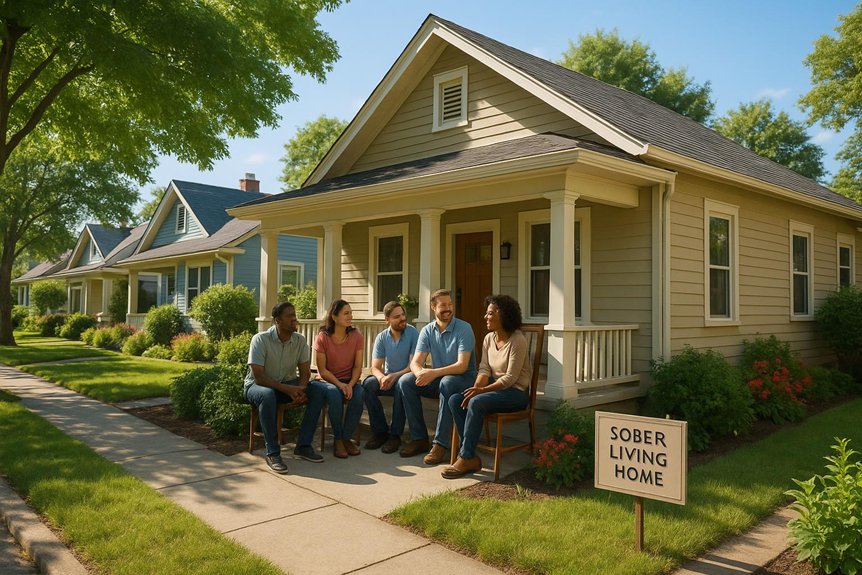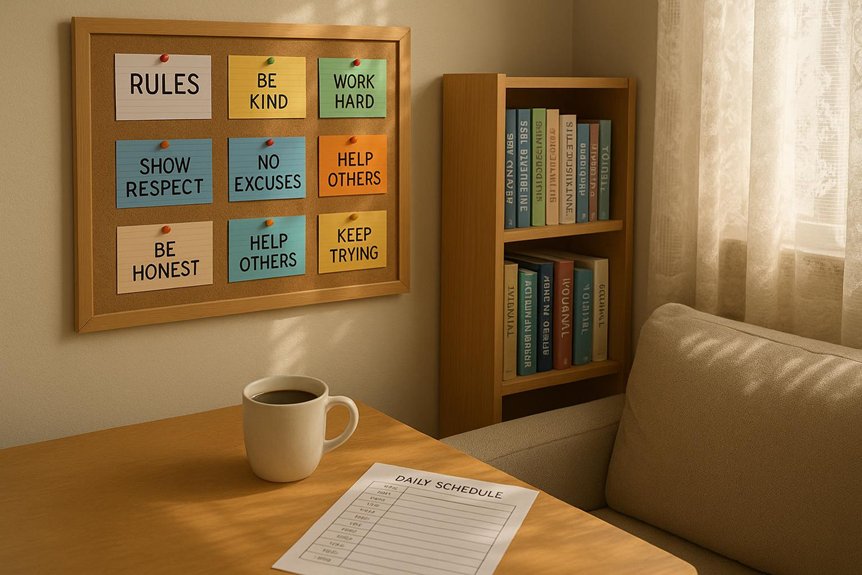
Sober Living Rules and Structure
In considering sober living homes, you'll find that rules and structure are essential. They provide a supportive environment that nurtures recovery and personal growth. These guidelines foster accountability and life skills, helping you build a stable routine. Imagine the benefits of scheduled meals, group meetings, and shared responsibilities. This framework not only supports your sobriety journey but also prepares you for life beyond. Curious about how this structure shapes success?
Why Consider Sober Living Homes?
When you're on the journey to recovery, considering sober living homes can be a pivotal step. These homes offer strong support systems, creating an environment where emotional stability and personal growth are prioritized.
You'll find that community engagement becomes a part of daily routines, allowing you to connect with others who understand your experiences.
Lifestyle changes are easier to manage when surrounded by peers who are committed to similar goals. The recovery benefits are immense, as you'll build meaningful peer relationships that encourage accountability and resilience.
Find sober living near you. Our directory includes over 25,000 recovery housing facilities nationwide. Call (866) 453-5762 or browse the directory.
Managing lifestyle changes becomes easier with peers committed to similar goals, fostering accountability and resilience.
Sober living homes provide a structured setting where you can practice new habits and develop skills essential for a fulfilling life. Embracing this supportive community can make a significant difference in maintaining long-term sobriety.
Why Rules Matter in Sober Living Homes
Although it might feel restrictive at first, rules in sober living homes are essential for creating a safe and supportive environment. They foster emotional stability and strengthen support networks by ensuring everyone is on the same page.
Here’s why rules matter:
- Life Skills Development: Rules teach important life skills, helping you manage daily responsibilities effectively.
- Peer Mentorship: Structured guidelines promote peer mentorship, where you can learn from others who've faced similar challenges.
- Coping Strategies: Having rules supports the development of coping strategies, aiding in long-term recovery.
- Accountability and Conflict Resolution: Rules establish accountability partners and encourage positive reinforcement, essential for resolving conflicts peacefully.
Creating a Structured Routine for Success
Establishing a structured routine is essential for success in sober living, as it provides stability and focus during recovery. By integrating structured habits into your day, you create a sense of predictability that can be comforting and empowering.
Start with simple daily rituals like morning meditation or a consistent bedtime, which ground you and reinforce positive behaviors.
Morning meditation and a consistent bedtime ground you, reinforcing positive behaviors and stability.
When you fill your day with purposeful activities, it reduces idle time and potential triggers. You might find that setting specific times for meals, exercise, and reflection helps maintain balance.
These structured habits not only support sobriety but also enhance your wellbeing. Remember, it's about progress, not perfection.
Be patient with yourself as you adapt and grow, knowing that each step forward strengthens your journey.
The Importance of Curfews in Recovery
Curfews play an essential role in the recovery process by fostering a sense of responsibility and structure. They’re not just about setting limits; they’re about creating a supportive environment where you can thrive.
Here are some curfew benefits that contribute to a solid recovery structure:
- Consistency: Regular curfews help you develop a routine, reducing chaos and promoting stability.
- Accountability: Knowing you need to be home by a certain time encourages responsible decision-making.
- Safety: Curfews guarantee you’re in a secure environment, minimizing exposure to potential triggers.
- Self-discipline: Adhering to curfews builds discipline, vital for long-term recovery.
Embrace curfews as a positive step in your journey. They’re designed to support you, providing the guidance needed to reclaim your life.
Chores and Responsibilities: Building Discipline
Building on the structure provided by curfews, chores and responsibilities are pivotal in nurturing discipline during recovery.
You'll find that chore assignments and responsibility sharing enhance teamwork skills and create a sense of communal living. By engaging in daily routines, you develop personal accountability and time management, essential life skills that aid in sober living. Each task offers a chance for skill development, teaching you to manage responsibilities effectively.
As you participate in these activities, you’re not just contributing to a clean environment but also setting a positive example for others.
Role modeling through consistent effort reinforces a supportive atmosphere where everyone thrives. Embrace these opportunities, and you’ll see growth in both your recovery journey and personal development.
How Meetings Help Build Community
Meetings play an essential role in fostering a sense of community within sober living environments.
You're not just attending a meeting; you're creating a network of community support. These gatherings are where peer connections form, and shared experiences lead to emotional bonding. They help in trust building and provide a platform for group accountability.
Here's how they help:
- Friendship Development: Engage in social activities that nurture genuine friendships.
- Mentorship Opportunities: Gain insights and guidance from those who've been in your shoes.
- Networking Benefits: Connect with individuals who can offer support and resources.
- Emotional Bonding: Share your journey and find comfort in knowing you're not alone.
These meetings foster a safe space where you can grow and thrive.
Random Drug Testing: Ensuring Accountability
While staying committed to sobriety can be challenging, random drug testing plays an essential role in maintaining accountability within sober living environments. It’s not just about catching slip-ups; it’s a vital accountability measure that supports your recovery journey.
Random testing helps prevent relapse by reinforcing personal responsibility, reminding you of your commitment to stay clean.
Random testing reinforces responsibility and commitment, acting as a crucial tool in preventing relapse.
These tests foster trust building among residents and staff, creating a supportive community where everyone’s working towards the same goal.
With clear transparency policies in place, you know what to expect, which reduces anxiety and promotes honesty.
Embracing these measures shows your dedication to recovery support and strengthens your resolve.
Balancing Accountability and Privacy
Random drug testing, essential for maintaining accountability, naturally raises questions about balancing personal privacy. You’re traversing a delicate path where accountability balance and respecting privacy boundaries are critical.
It’s important to create an environment that fosters trust while ensuring the necessary rules are followed.
Consider these strategies to maintain this balance:
- Transparent Communication: Clearly explain the purpose and frequency of tests. Openness builds trust.
- Consistent Policies: Apply rules uniformly to everyone. It’s significant for fairness and accountability.
- Confidential Handling: Protect personal information. Securely store results to respect privacy.
- Feedback Opportunities: Encourage residents to voice concerns. Listening fosters a supportive community.
Personal Goals for Long-Term Recovery
Setting personal goals for long-term recovery ignites a sense of purpose and direction in your journey. Your personal motivation fuels this process, allowing you to embrace lifestyle changes and resilience strategies. Goal setting helps you harness self-reflection techniques to understand your needs. Surround yourself with support systems and accountability partners who encourage progress. Develop coping mechanisms to handle challenges effectively.
| Goal Setting | Support Systems | Coping Mechanisms |
|---|---|---|
| Define your goals | Engage with peers | Practice mindfulness |
| Break into steps | Attend group meetings | Use deep breathing |
| Track your progress | Seek family support | Journaling |
| Adjust as needed | Find a mentor | Physical activity |
| Celebrate success | Online communities | Creative outlets |
Stay committed, and remember, you’re not alone.
Preparing for Independent Life
1. Financial Management: Learn to budget and manage expenses.
Tracking your finances helps build stability and confidence.
2. Time Management: Prioritize tasks and create a daily schedule.
This skill guarantees you’re productive and balanced.
3. Employment Readiness: Develop a resume, practice interview skills, and seek opportunities that match your goals.
4. Social Interactions and Emotional Resilience: Cultivate healthy relationships and build emotional strength to handle life’s challenges.
Choosing the Right Sober Living Home
As you prepare for independent life, finding the right sober living home becomes an essential step in your journey. It's vital to evaluate sober home amenities that cater to your needs—think about comfortable living spaces, communal areas for bonding, and access to transportation.
These amenities can greatly impact your recovery experience.
Amenities significantly shape your recovery journey, influencing comfort and connection.
Consider the level of resident support, too. A supportive environment with counselors or peer support can make a huge difference as you navigate daily challenges.
Look for homes that encourage accountability and personal growth. Trust your instincts and seek a place where you feel safe and understood.
Frequently Asked Questions
Can Residents Have Visitors at Sober Living Homes?
Yes, residents can have visitors at sober living homes, but you’ll need to follow visitor protocols.
These often include guest restrictions like specific visiting hours and limits on the number of visitors.
It’s important to guarantee that your guests respect the house rules to maintain a supportive environment.
Understanding and adhering to these guidelines helps create a safe space for everyone on their journey to recovery.
You're not alone in this process.
Are Pets Allowed in Sober Living Homes?
Yes, some sober living homes allow pets, recognizing the benefits of pet therapy and emotional support.
You’ll want to check specific house rules since policies vary. Pets can provide comfort and companionship, aiding in recovery.
If allowed, make sure you’re ready to meet any care requirements and responsibilities. It’s a great opportunity to enhance your healing journey with the love and support a pet can offer.
What Is the Average Duration of Stay in a Sober Living Home?
You'll typically stay in a sober living home for about 3 to 12 months.
Duration factors like personal progress, financial stability, and support network influence this time.
Embracing the stay benefits, you'll find a structured environment fostering accountability and community.
It’s about finding what works best for you, allowing time to rebuild and strengthen your foundation.
How Do Sober Living Homes Handle Conflict Between Residents?
Sober living homes address conflict between residents by promoting conflict resolution and enhancing communication skills.
You'll find that staff often mediate disputes, encouraging open dialogue and empathy. They focus on teaching you how to express feelings calmly and understand different perspectives.
Are Meals Provided in Sober Living Homes?
In sober living homes, meals aren’t typically provided, but you’ll find support for meal preparation.
You’ll have the chance to cook in a shared kitchen, often planning meals with fellow residents. If you have dietary restrictions, communicate them, as the environment encourages understanding and cooperation.
It’s a great opportunity to build healthy routines and share cooking tips, fostering a supportive community focused on recovery and well-being.
Need help finding sober living? Call (866) 453-5762 for help finding recovery housing near you. Confidential and available 24/7.