How Much Does Sober Living Cost?
Exploring the cost of sober living is essential as you navigate recovery options. You'll find that expenses range from $500 to $1,500 monthly, shaped by location, amenities, and duration of stay. Urban areas may demand higher fees, but rural settings often provide more affordable choices. Additional services like therapy can add to the cost, but financial assistance and insurance might ease the burden. Curious about how these factors interplay to form your ideal recovery environment?
What Are Sober Living Homes?
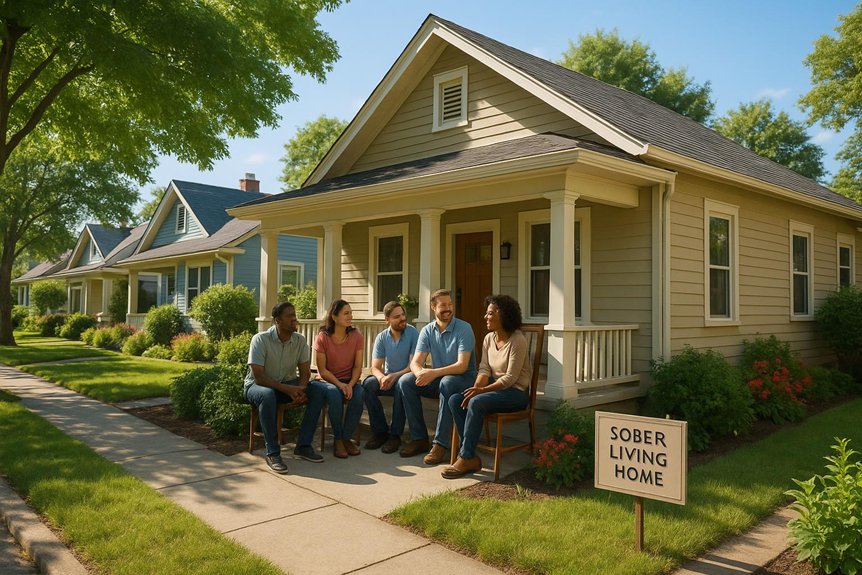
Sober living homes, often referred to as interim residences, provide a structured and supportive environment for individuals recovering from substance use disorders. In these homes, you'll find a space that's free from the triggers and pressures of your previous environment. The primary goal is to help you navigate smoothly back into everyday life.
According to sober living definitions, these residences emphasize accountability, peer support, and personal growth. You're not just a resident; you're part of a recovery community that fosters healing and resilience.
The shared experiences within this community can be pivotal in maintaining sobriety. Evidence suggests that these supportive networks considerably reduce relapse rates and promote long-term recovery. By choosing sober living, you’re taking an essential step toward a healthier future.
Find sober living near you. Our directory includes over 25,000 recovery housing facilities nationwide. Call (866) 453-5762 or browse the directory.
Average Cost of Sober Living
Managing the cost of sober living can be an indispensable factor in your recovery journey. On average, sober living expenses range from $500 to $1,500 per month, depending on location and amenities. These expenses might seem intimidating, but remember, you're investing in a healthier future.
Many homes offer a supportive environment that’s essential for maintaining sobriety. If you're concerned about affordability, exploring financial assistance options can ease the burden. Some facilities offer sliding scale fees or scholarships based on your financial situation.
It’s important to discuss these options upfront to guarantee you find a place that aligns with your budget. Prioritizing your recovery is critical, and understanding these costs empowers you to make informed decisions.
Factors That Influence Sober Living Costs
While determining sober living costs, several key factors come into play. You'll find that amenities, house rules, and program structure notably influence the cost breakdown. Homes offering extensive services, like therapy sessions or job placement support, generally charge more.
It's essential to reflect on whether these added benefits align with your recovery goals. Financial assistance options, such as scholarships or sliding scale fees, can ease the burden. Many facilities understand the financial strain and offer flexible payment plans.
Additionally, the size and condition of the home can impact costs. A well-maintained, spacious home might be priced higher, but the investment could enhance your recovery experience. By understanding these factors, you can make informed decisions that align with your financial situation and recovery needs.
How Location Impacts Sober Living Costs
When considering sober living costs, you'll find that location plays a significant role, with regional variations impacting your budget.
Urban areas often have higher prices due to increased demand and living expenses, while rural settings might offer more affordable options.
Understanding these differences can help you make informed choices that align with your financial situation and recovery needs.
Regional Cost Variations
Understanding how location impacts sober living costs is essential for making informed decisions. Regional cost comparisons reveal that sober living expenses can vary greatly from state to state. Here’s how these differences can affect you:
- State Pricing Differences: States like California and New York often have higher costs due to demand and living expenses, while states in the Midwest may offer more affordable options.
- Regional Availability: Some areas have more facilities, increasing competition and potentially lowering prices. Others might've fewer options, impacting costs.
- Quality and Amenities: Locations with luxurious amenities or specialized services may charge higher rates, influencing your budget choices.
Considering these factors helps you navigate the financial aspect of sober living, ensuring you find a suitable and affordable option.
Urban vs. Rural Pricing
Maneuvering the financial landscape of sober living involves understanding both regional and urban-rural cost differences.
If you're considering an urban environment, expect higher costs due to urban amenities like public transportation and entertainment options. These conveniences can enhance your recovery experience but come at a premium.
On the other hand, a rural community may offer a more affordable option, with the tranquility of nature and a tight-knit support network.
However, rural settings might lack immediate access to specialized services.
Weigh the benefits of urban amenities against the peaceful atmosphere of a rural community. Your choice depends on what environment aligns best with your recovery needs, balancing cost with the quality of support and resources available.
Sober Living Amenities and Their Cost Impact
When considering sober living options, it’s important to recognize how amenities like luxury facility features and room choices affect costs.
Opting for private rooms typically increases expenses, but it can also provide a more personalized recovery environment.
On the other hand, shared accommodations are usually more affordable and can foster community support, which is essential for long-term sobriety.
Luxury Facility Features
Many luxury sober living facilities offer an array of upscale amenities that greatly impact costs, providing residents with an environment that promotes comfort and recovery.
These upscale features aim to enhance your experience and support your journey to sobriety. Here's what you might expect:
- State-of-the-Art Fitness Centers: Access to first-rate gyms helps you maintain physical health, a key component of recovery.
- Holistic Wellness Programs: Services like yoga, meditation, and massage therapy foster mental well-being and relaxation.
- Gourmet Dining Options: Nutritious and delicious meals prepared by skilled chefs cater to your dietary needs, aiding overall health.
These luxury amenities not only boost comfort but also greatly influence the cost of these premium facilities.
Prioritizing such features can support your path to long-term sobriety.
Shared vs. Private Rooms
Choosing between shared and private rooms in sober living facilities can greatly impact both your recovery experience and costs.
Shared rooms offer a unique opportunity for shared experiences, fostering connection and mutual support, which can be invaluable in recovery. You'll find that the camaraderie can help combat feelings of isolation.
However, privacy concerns may arise, as you might need personal space to process emotions and reflect.
Private rooms, although more expensive, provide solitude and a quiet environment, which can be essential for those needing time alone.
Balancing these options depends on your personal preferences and budget. Evidence suggests that both settings have their benefits, so consider what aligns best with your recovery goals and financial situation.
Your comfort and progress are paramount.
How Long You Stay Affects the Cost
The duration of your stay in a sober living facility can greatly impact the overall cost. Longer stays often lead to higher expenses, but they can also offer more stability in your recovery journey. Understanding the cost implications of your stay duration is essential for budgeting effectively.
Longer stays in sober living can increase costs but offer greater stability in recovery.
Here’s what you need to take into account:
- Monthly Rates: Longer stays typically mean paying more months, but some facilities offer discounts for extended commitments.
- Program Benefits: Extended periods can provide access to more thorough programs and therapies, which might justify the additional cost.
- Progress and Success: Staying longer can enhance recovery outcomes, potentially reducing future costs by lowering relapse risks.
Balancing cost with the benefits of a longer stay requires careful planning and evaluation.
Insurance and Financial Help
Steering through the complexities of insurance and financial assistance can greatly ease the burden of sober living costs. Understanding what your insurance coverage includes is essential. Many policies cover parts of addiction treatment and may extend to sober living environments. It’s important to contact your provider for specific details.
If insurance doesn’t cover enough, explore financial assistance options. Numerous nonprofit organizations offer grants or sliding scale fees based on income. Government programs might also provide support. Research and persistence can uncover resources tailored to your situation.
Budgeting for Sober Living Costs
When planning for sober living costs, it’s essential to develop a realistic budget that aligns with your financial situation. Start by identifying your income sources and prioritizing essential expenses.
Effective budgeting strategies can help you manage:
- Financial Planning: Outline all potential costs, including rent and utilities. Compare these with your income to guarantee sustainability.
- Savings Tips: Set aside funds for unexpected costs like medical emergencies or transportation. This safety net will provide stability.
- Cost Comparisons: Research different sober living homes to find one that fits your budget. Utilize financial resources or community programs for assistance.
Tips for Selecting the Right Sober Living Home
How do you choose the right sober living home? Begin by understanding the sober living requirements specific to your needs.
Look for homes that offer structure, with clear rules and expectations to support your recovery journey. It's essential to guarantee they've qualified staff and peer support.
Homes with structure, clear rules, and qualified staff are crucial for supporting your recovery journey.
When choosing location, consider proximity to your work, family, or support network. A convenient location reduces stress and enhances your commitment to sobriety.
Also, research the neighborhood's safety and the availability of local resources like counseling and employment opportunities.
Check reviews and testimonials from current or past residents to gauge the home's reputation.
Visiting in person can provide valuable insight into the environment and community. Your choice should align with your personal and recovery needs for the best success.
Frequently Asked Questions
Can Pets Accompany Residents in Sober Living Homes?
Yes, pets can accompany residents in some sober living homes, but it depends on specific pet policies.
You’ll need to check if the home allows animals and if there are restrictions. Many places recognize the emotional support pets provide, helping residents with recovery.
Always verify the rules regarding pet size, breed, and any necessary documentation.
Your comfort and well-being are important, and having a pet can be a valuable part of healing.
Are There Visitation Hours for Family and Friends?
Yes, there are usually visitation hours for family and friends in sober living homes.
Visitation policies vary, but they often encourage family involvement as part of recovery. You should check specific guidelines with the facility to understand when loved ones can visit.
These policies aim to support your journey, ensuring a balance between personal recovery time and the encouragement that family connections provide.
This approach is both compassionate and evidence-based.
What Is the Refund Policy if I Leave Early?
If you leave early, your refund eligibility depends on the facility's specific criteria. They usually consider the length of stay and individual agreements.
Early departure consequences might include forfeiting a portion of the prepaid fees. It's essential to review the policy thoroughly before committing.
Facilities aim to balance fairness with operational needs, ensuring you have clarity and support in your decision-making process.
Always ask questions to understand your rights fully.
Do Sober Living Homes Offer Transportation Services?
Yes, many sober living homes offer transportation options to help you access meetings, appointments, and work.
It's important to reflect on cost factors, as these services might be included in your fees or require additional payment. You'll want to discuss this with the home to understand what's covered.
Reliable transportation can support your recovery journey by ensuring you stay connected to vital resources and maintain a structured routine.
Are There Curfews in Sober Living Homes?
Yes, sober living homes often have curfews as part of curfew enforcement to maintain structure.
You’re expected to adhere to these rules, which helps in fostering responsibility among residents. These curfews vary but are vital for supporting a stable, recovery-focused environment.
By respecting curfews, you’re contributing to a community that encourages accountability and growth.
It’s about balancing freedom with the responsibilities essential for your recovery journey.
Need help finding sober living? Call (866) 453-5762 for help finding recovery housing near you. Confidential and available 24/7.